India's Luxury Housing Market 2026: Why Premium Homes Continue to Drive Sales
For years, luxury housing in India was treated as a niche and a cyclical segment. It was once considered a segment that experienced brief periods of growth before demand cooled and the market shifted its focus. That pattern has broken. Luxury real estate India has become the segment actually carrying the numbers. Fewer homes are being sold overall, yet total sales value keeps setting new records and premium buyers are the reason why.
This blog looks at what's actually driving India's luxury housing market in 2026, what's changed in buyer behaviour as well as what it means for anyone weighing a premium purchase right now.
What Counts as Luxury Real Estate in India Today?
The definition itself has shifted. A decade ago, "luxury" in Indian real estate mostly meant a larger apartment in a good location. Today, luxury homes in india buyers are shopping for integrated townships with private clubhouses, branded residences with global hospitality names, smart home automation and wellness amenities like spas and dedicated fitness zones. This redefinition matters because it explains why the luxury property segment keeps expanding even as overall home sales volumes soften.
Why Fewer Homes Are Selling But for More Money?
According to the India Housing Report 2026 by CRE Matrix and NAR-India, total primary housing sales value reached ₹7.3 lakh crore pan-India, up 8% year-on-year even as the actual number of homes sold dipped slightly. The explanation sits in one number: the average ticket size climbed from ₹1.13 crore to ₹1.47 crore in just two years. In plain terms, Indians buy fewer, bigger and more expensive ones. This is the defining story of luxury real estate India right now.
What's Actually Pulling Buyers Toward Premium Homes?
A few consistent themes explain why demand for premium homes keeps climbing are the following:
-
A shift to "the right home."
Buyers increasingly prioritise space and lifestyle amenities. A well-designed 3BHK with genuine amenities is now competing against a larger but poorly planned unit.
-
Wealth creation among HNIs and NRIs
High net worth individuals and non-resident Indians continue to treat luxury property as both a lifestyle purchase and a store of wealth because global uncertainty pushes capital toward India based assets.
-
Consolidation
A notable pattern among affluent buyers in 2026 is choosing to own fewer, better homes is preference for quality and long term value.
-
Corporate and professional income growth
Rising salaries and equity wealth among senior professionals in technology, finance and consulting have expanded the pool of buyers who can credibly enter the luxury housing market.
-
Post pandemic space
The preference for larger homes with dedicated work areas and access to green space that emerged strongly a few years ago has become a baseline expectation.
Where India's Luxury Housing Market Is Strongest?
Certain cities have become hotspots within luxury real estate India for different reasons:
1. Mumbai remains the undisputed leader with established micro markets like Worli, Tardeo, Lower Parel and Bandra West continuing to command premium pricing. This is because of improving infrastructure and steady high value launches.
2. Delhi NCR, particularly Gurugram has emerged as a major luxury hub with branded residential projects attracting sustained high value transactions.
3. Hyderabad, Bengaluru and Chennai have all shown strong momentum in the premium segment. This demand is from senior technology and business professionals seeking better located homes closer to major employment corridors.
Also Read - Circle Rate vs Market Rate in India
The Buyer Profile Behind India's Luxury Housing Boom
Understanding who's actually buying helps explain why this trend looks durable. The typical luxury homes in india buyer today tends to fall into a few following overlapping categories:
1. Senior professionals and business owners in their mid-30s to mid-50s who are upgrading from a mid segment home as their income and family needs grow.
2. Established wealth holders including older buyers reinvesting or consolidating assets into higher quality properties.
3. NRIs are looking to maintain a strong base in India while diversifying their assets.
4. First generation entrepreneurs and executives for whom a premium home has become part of a broader lifestyle and status.
What This Means If You're Considering a Luxury Purchase?
a few practical points are worth keeping in mind before committing for a premium purchase:
1. A developer's history of on-time delivery and construction quality is repeatedly flagged as important.
2. Proximity to good infrastructure, established social amenities and reputable neighbourhoods continues to influence the purchase.
3. Returns vary significantly by city, builder and even by specific project. luxury housing shouldn't be treated as uniformly safe.
4. Some segments show signs of oversupply at the very top of the price ladder which is worth factoring into timing and negotiation.
5. Talk to someone who genuinely knows the specific micro-market.
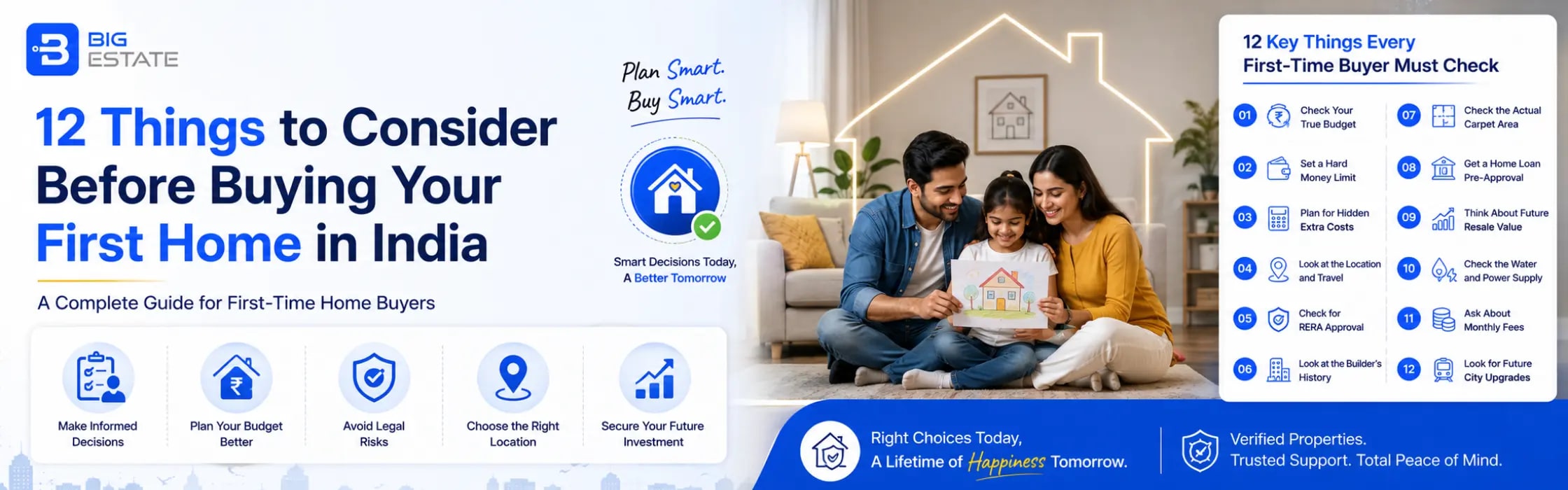
Also Read - How to Buy Your First Home in India Complete Guide 2026
Is This Trend Sustainable or a Temporary Spike?
This is the honest question worth asking before treating current momentum as a permanent shift. A few signals suggest durability. The buyer base spans multiple age groups and wealth sources; the shift toward larger, amenity rich homes reflects a genuine lifestyle change and demand has held steady across several consecutive years. That said, luxury real estate india is not immune to broader economic conditions. A meaningful slowdown in corporate wealth creation or a broader economic shock could still cool demand at the top end.
Conclusion
India's luxury housing market reflects a broader shift towards premium properties, with higher-value purchases playing an increasingly important role in the residential real estate sector. For buyers, that means more choice and better product quality than ever before but also more variation in outcomes depending on location, builder, and timing.
Big Estate helps buyers and investors navigate this shift with more clarity by bringing verified project data, developer track records and locality level insights into one place so decisions around luxury property are based on genuine fundamentals rather than just brand appeal or brochure promises.